Showing posts with label D. Assignment 3: 3MW. Show all posts
Showing posts with label D. Assignment 3: 3MW. Show all posts
Monday, 2 July 2018

Friday, 29 June 2018
My Research Dossier
Examples of PRIMARY research and PRODUCTION research.
Examples of PRIMARY research and QUANTITATIVE and QUALITATIVE research.
Example of SECONDARY research as information is taken from the internet, specifically the Unilever, BARB and Ofcom websites.
Thursday, 28 June 2018
Nature and Purposes of Research
Nature and purposes of research in the Media Industry
PrimaryThis is where the research has been found out first hand, in the media industry, this helps the Filmmaker create a understanding of the subject and enables them to create a more informed final product. For example this could be a experiment or survey, which would then be analysed and put into statistics or writing. During my college course I have made multiple surveys to gain a understanding of a target audience. An example of this is when I made a survey to do with Re-Branding a unilever product, both qualitative and quantitative data was taken because it allowed us to create an advertisement that would appeal to a student target audience, rather than the previous family target audience. Evidence of this definition is on BBC Bitesize.com “involves gathering new data that has not been collected before”.
Secondary
This is where research is taken from another piece of primary research that someone else has done, the pros of this method of research is that it is quicker to acquire than primary research because it is already done, however it could be misinterpreted or bias meaning there is a chance the information may be false. For my Depict video, we researched into the “Film Noir” genre, in order to give our production the same feel to it. Evidence of this is shown in our production because of the black and White backgrounds, and the formal attire we used as costumes.
 |
| Still from Depict video |
Quantitative
This type of research is usually used to gain statistics about a large group of people, this information gives numerical data.
quantitative
ˈadjective relating to, measuring, or measured by the quantity of something rather than its quality.

Qualitative
This type of research is used to collect detailed answers of people's opinions, this type of research is focused on the quality of the answers, this was used in some of the surveys I made throughout my business course at college, this is because I had to gain people's opinions on a pricing strategy for a business presentation.The pros of this method is that responses are open ended and leave most of the decision making to the person answering which results in a detailed response which may help or hinder the research, this depends on what the researcher is trying to find out. An example of this is when I made a detailed film review on Cars 3, this can be seen as a qualitative review because although some figures were used it mostly consists of my personal views and opinions.
Data Gathering Agencies
These agencies are essentially made to collect data about different topics and add them to data banks. An example of a data gathering agency is BARB which is short for the Broadcasters Audience Research Board this companies main focus is to gather data about the viewership and rating on TV channels, all of the information collected is used by companies to see where they could improve on during their productions. This is useful especially in media because it allows advertisers to plan ahead on when the best time is to play their advertisement, so it has more viewers and can reach the right target audience. Furthermore increasing their product outreach.
Audience and Market Research
These agencies are essentially made to collect data about different topics and add them to data banks. An example of a data gathering agency is BARB which is short for the Broadcasters Audience Research Board this companies main focus is to gather data about the viewership and rating on TV channels, all of the information collected is used by companies to see where they could improve on during their productions. This is useful especially in media because it allows advertisers to plan ahead on when the best time is to play their advertisement, so it has more viewers and can reach the right target audience. Furthermore increasing their product outreach.
Audience and Market Research
This is analysing the type of people that will be exposed to the media that is being shown. For example, people who make children's TV shows will research what the best time to air the programme is, and also look at the latest trends so the audience is able to relate to it so it entices them to watch more. Effective ways of gaining information is by analysing results and also using surveys in order to gain a good understanding of the audience, and the best way to make a product successful. An example of this was in media where I was tasked to rebrand a Unilever product. I chose Lynx and made a presentation about how I would target their new target audience. In competitive markets some productions also take the time to analyse their competitors, this is so they know what they can do to give them a edge over their competition.
Production Research
This research is used by filmmakers mostly in high budget productions, doing this helps give the filmmakers a estimate of how much each scene will cost to make, when devising a plan for the TV Advert I was a part of making in college there was a budgeting sheet included so the group were able to track each purchase that was used in the making of the Advert. When adverts are made in professional productions, they offer hire people to research what type of characteristics people have of the product that is trying to be marketed. So they can find the best way of showcasing the product and selling as much as possible. This research is also important for finding locations suitable for filming.


any cutaways to other gameplay or interviews were also included.
Sources
https://classroom.synonym.com/pros-cons-qualitative-quantitative-research-8179604.html
Documentary Mini Task
Documentary Mini Task

A documentary is a piece of media put together in the effort of making it informational about a particular topic, there is usually interviews and footage of things that relate to the subject.
There are 5 different types of documentary that is possible to create.
Firstly there is Expository documentaries, these mostly consist of either a dramatic or calming commentary talking about a particular view of a subject and this accompanies images and footage of what is being narrated. The narrator's function is to make sense of the visuals that we see and to inform the viewer of what they are watching. This often means that the viewer takes the narrators word that what they are seeing and what is being said is true. David Attenborough is famous for narrating expository nature documentaries; although he is present in some scenes, he largely narrates the action on screen. For example, in this clip of Planet Earth he is telling us about the Vampire Squid From Hell Vampyroteuthis as we see images of it from a submersible.
The next type of documentary is an Observational, this is where the filmmaker would follow a particular group or person, and observe their actions and in most of these documentaries there is rarely any voice overs or interviews. The filmmaker's presence is unknown and they are seen as 'flys on the wall'. They include long takes and can be created with basic filming equipment. These productions are made with the intention of the viewer coming to their own conclusions about the person and subject. A good example of this is Armadillo, it's about a group of soldiers from Denmark who got sent to Afghanistan, for the most part, there is no voice over or narration, and appears to show footage from when the filmmaker followed soldiers as they put their lives on the line, without interfering or manipulating them.
Thirdly, there is Interactive documentaries, these documentaries have a very present filmmaker or documentarist who engages with the subjects / objects and the audience. Interactive documentaries often focus as much on the presenter / filmmaker as they do on the topic and the names of the presenters become well known. Ross Kemp, Louis Theroux and Michael Moore all make documentary films in this way. In Bowling for Columbine, Michael Moore uses footage of himself interacting with subjects in the documentary and archive footage to inform teh audience and present his point of view.

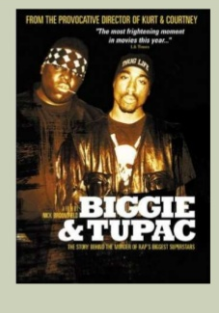 The last type is performative documentaries, these productions usually include more reenactments, and a controversial outlook on the topic, a popular genre for this type of documentary is things such as murder mysteries and crime documentaries, an example of this is a documentary made a couple years after both Biggie and Tupac were gunned down, there were dramatic interviews and reenactments that feature key members of the both the police force and Death Row Records speaking about the incident, and their opinions of the situations and what happened.
Monday, 11 June 2018
Introduction to the News
Introduction to the news
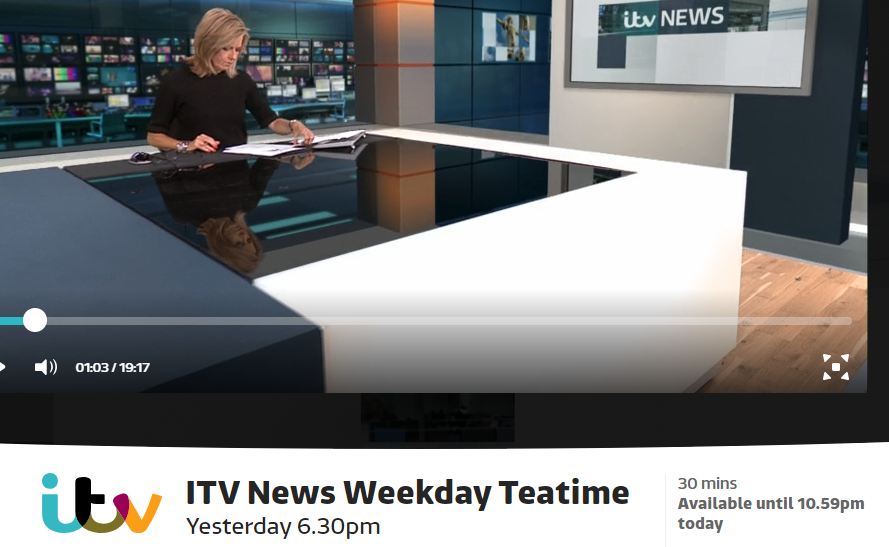
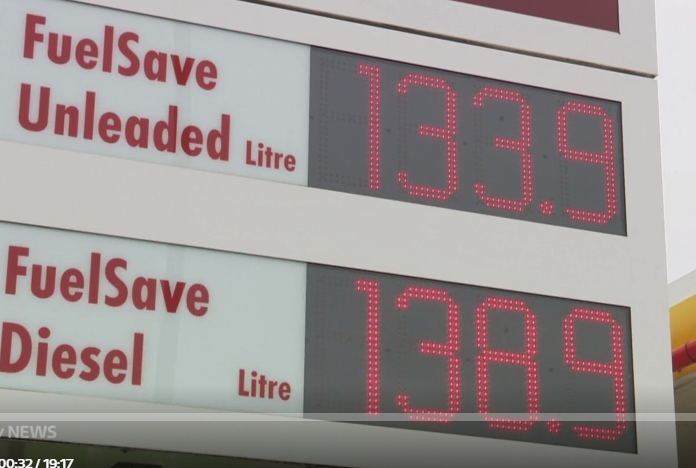
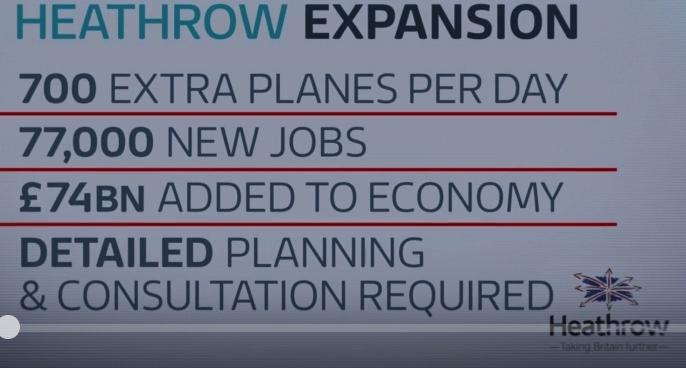
During the talks about Grenfell Tower, its clear to see that it was made to look gloomy, and create a dark atmosphere while it was being spoken about. All interviews were in dark rooms, and there was also a lot of black clothing. Its clear to see how News teams can manipulate a story by setting the mood in the audio and Mis En Scene. The News readers jobs are to create debate amongst viewers, this is why they give all of the information and try their best to include both viewpoints. The skills needed to be a newsreader is that you would have to be comfortable in front of a very large audience and it would also help to be well informed on the situation they are presenting about, this is so they can plan any questions or answers if they are doing an interview. News ordering is when news channels air sad stories that are controversial or relatable, this is because it will entice viewers and they will want to hear about the outcome, the broadcast usually ends with a nice story that will make viewers happy, News channels often do this so the viewers finish the program not worried about the events this is hard to do now a days because the large majority of news stories that are put in are about tragic events or bad news. For example the broadcast i watched included a story about a charity walk for American Veterans, the story talks about the veterans coming together for a walk across america to raise money and support for veterans returning home, this is a noble deed hence why this was included near the end of the broadcast, otherwise known as the “and finally story”.

Unfortunately, if there is what is known as a “slow news day” the stories usually include things such as allegations, and celebrity news, any controversial topic that they know will bring in viewers.
Immediacy- This is when the most important stories are spoken about first, which reels viewers in to watch more, and also hear about the most controversial events without having to watch ones they are not interested in or have no care for.
Amplitude - News Stories are broadcasted on how much attention and views it will receive, sometimes news channels will cover a topic more than others, this is because they know its a popular story, so there will be a lot of viewers who watch the broadcast to see information about the event.
Frequency- The news also tends to cover stories and subjects that don't often occur, for example in sport, if a team wins a game this will probably not be spoken about, but for example if England won the world cup(don't get your hopes up) it will be all over the news because it is a very rare occasion which people will want to hear about.
Predictability/ Surprise - This is when only stories that are seen as exciting or out of the ordinary are used, this is to keep viewers interested and will want them to view the news again the next day to see what is happening, if a boring story is aired then eventually viewers will become bored and lose interest.
Balance- This is why the started and kicker is used, this helps viewers come away from the program and give the program more of a happy feeling despite the dark topics they may have covered.
Unambiguity - There are many accents around britain, this is why the presenters often sound like they are speaking very formally, this is just so people who are viewing are able to understand the speaker.
There is Bias located all over media, for example in the media bad pictures can be posted to make someone out to be perceived as bad, for example, people who commit crimes often are showed in the news by using unflattering pictures. It also affects other types of media, newspapers can sometimes be perceived as bias, especially in the headline, this is where bias is most prominent because it can be done it a short phrase and its also the writing people will see the most as it is in big text on the front page. Overall it can be used to manipulate the general public into seeing a situation how the writers want them to see it.

Monday, 14 May 2018
Friday, 8 September 2017
Subscribe to:
Posts (Atom)